GOLDBERG
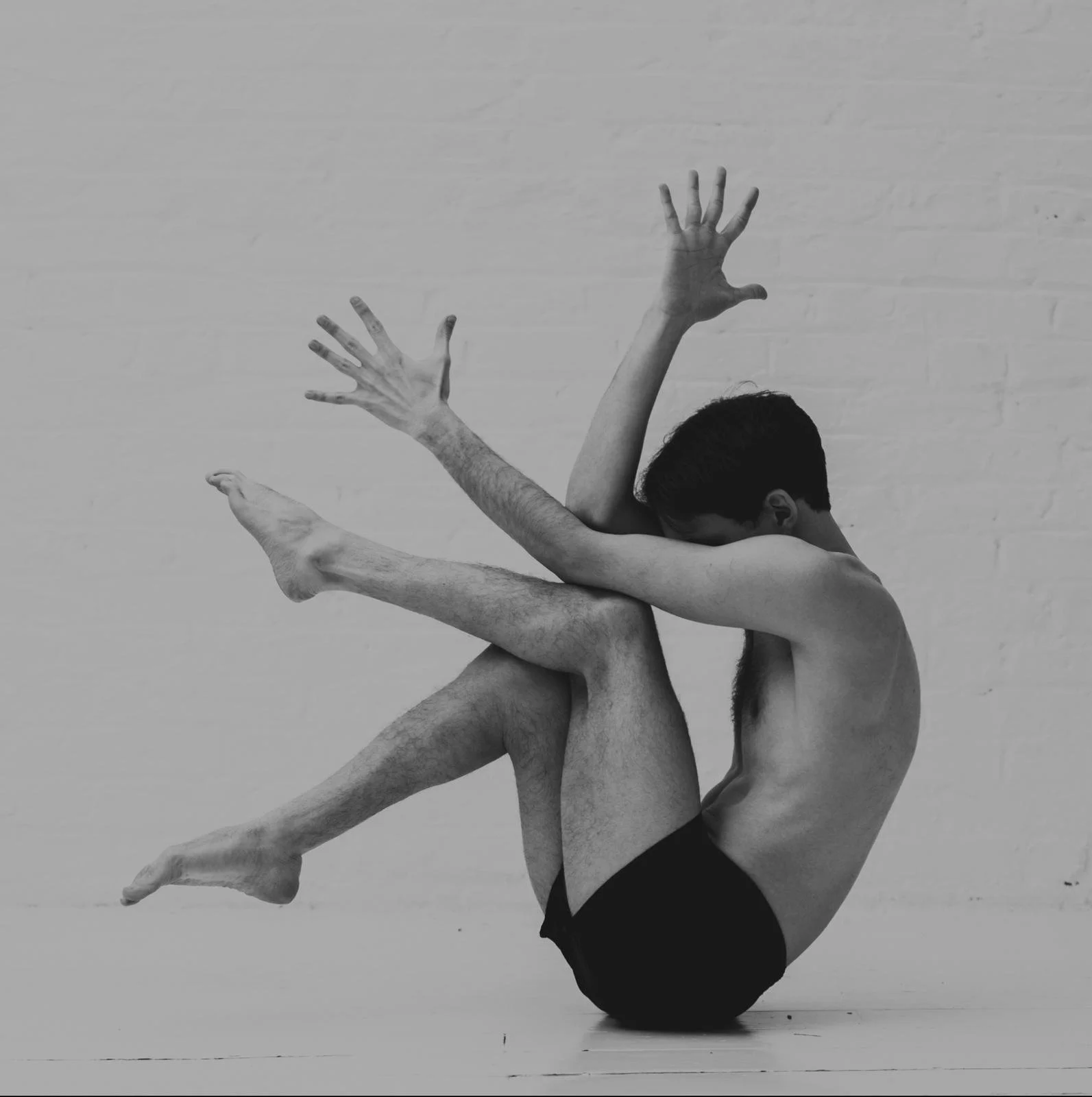
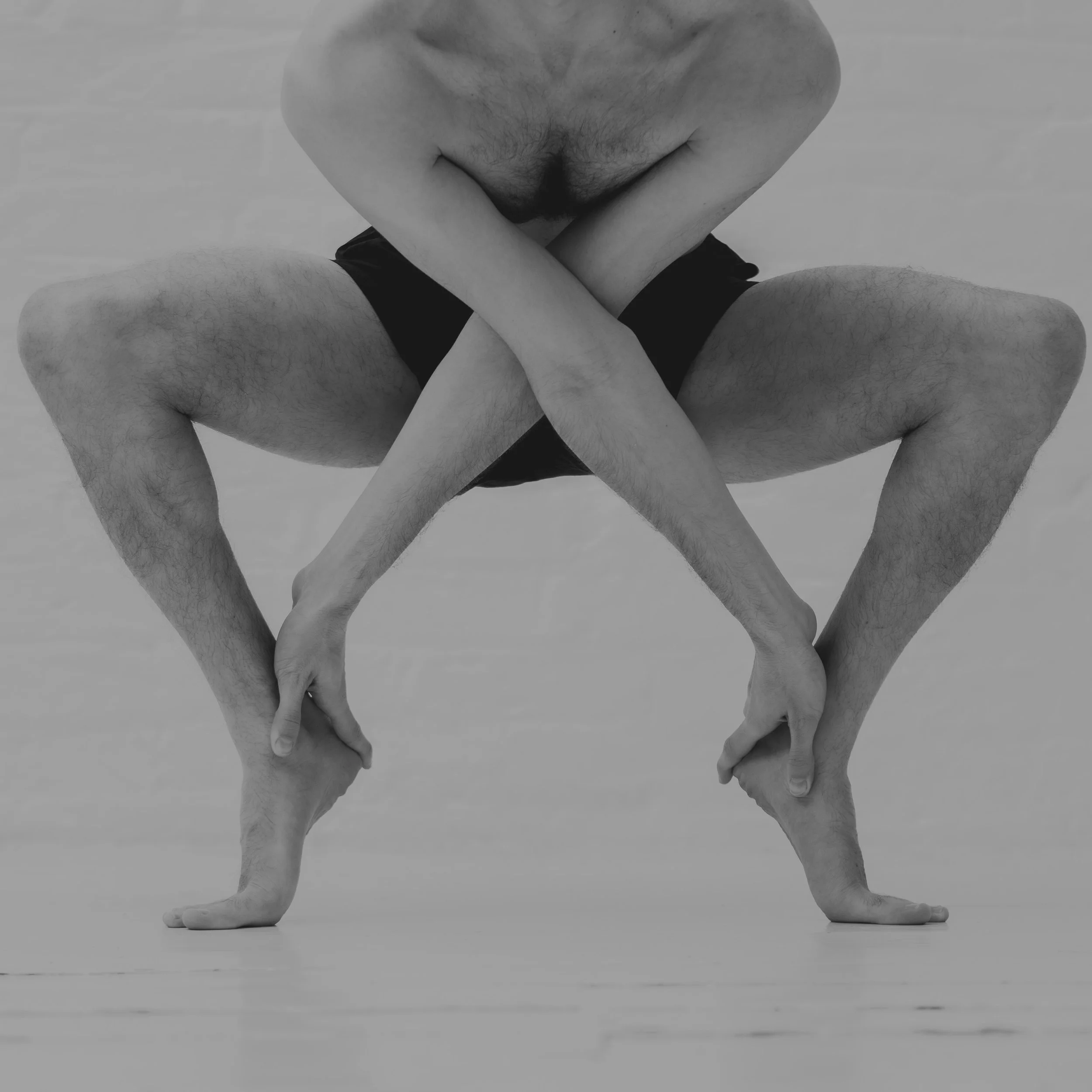
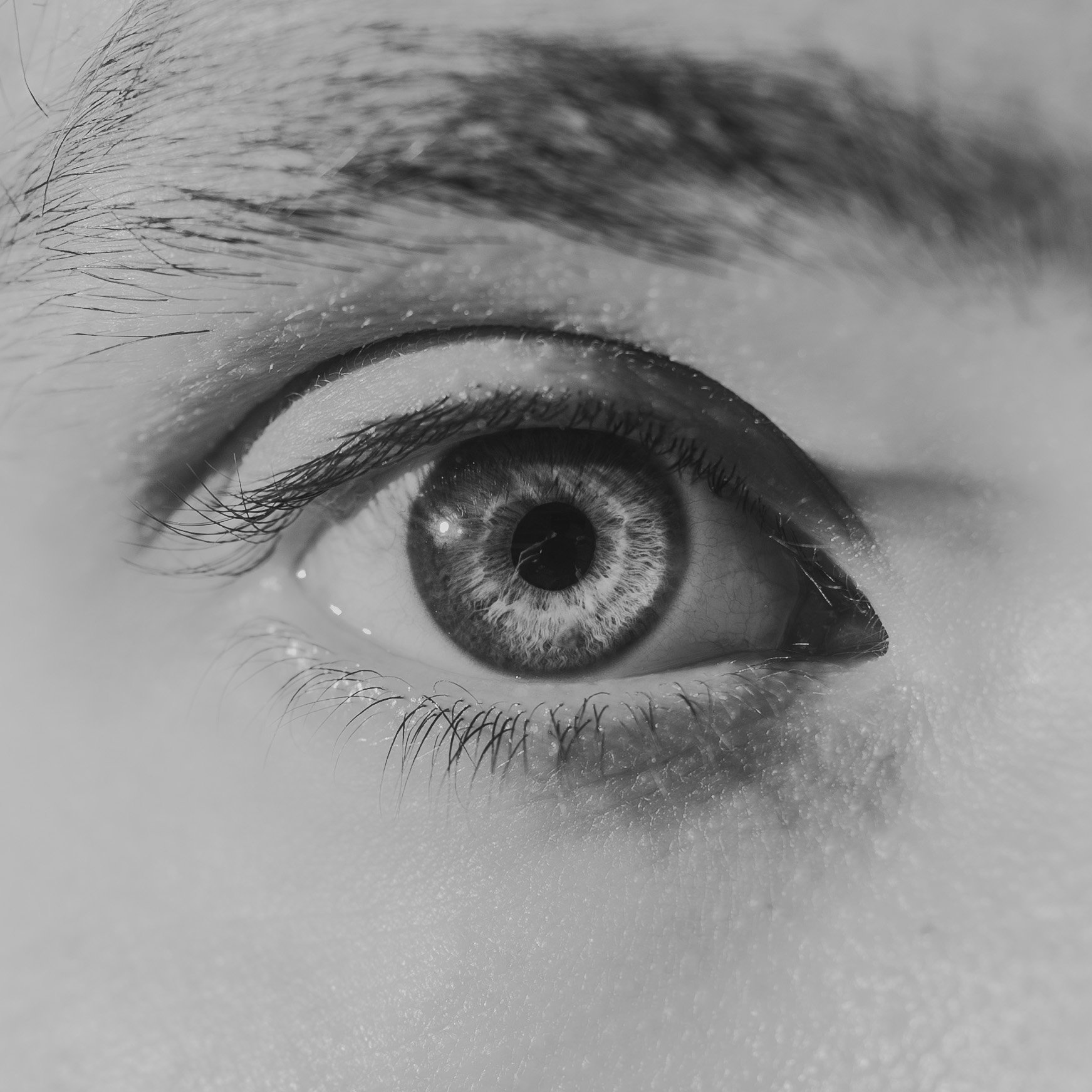
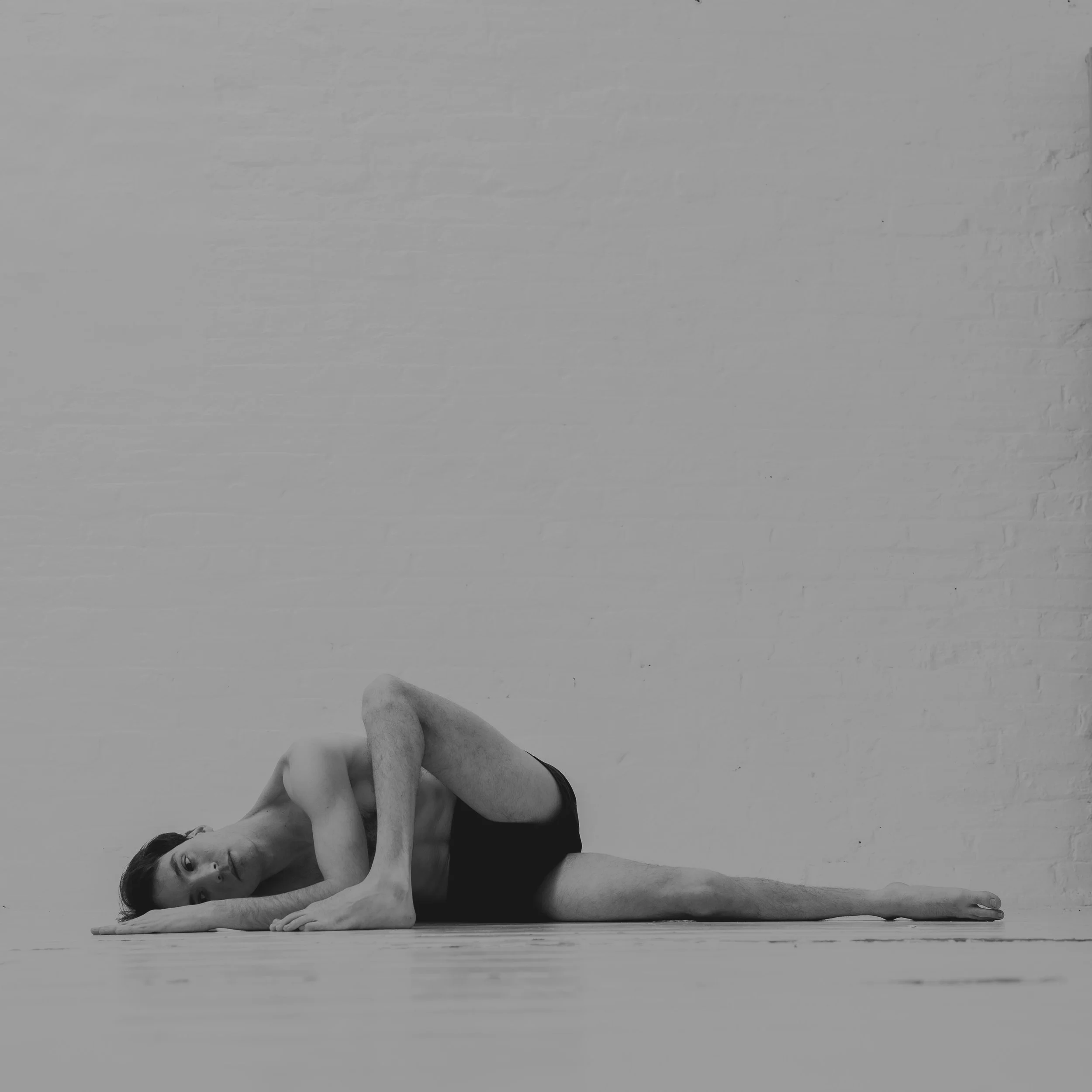
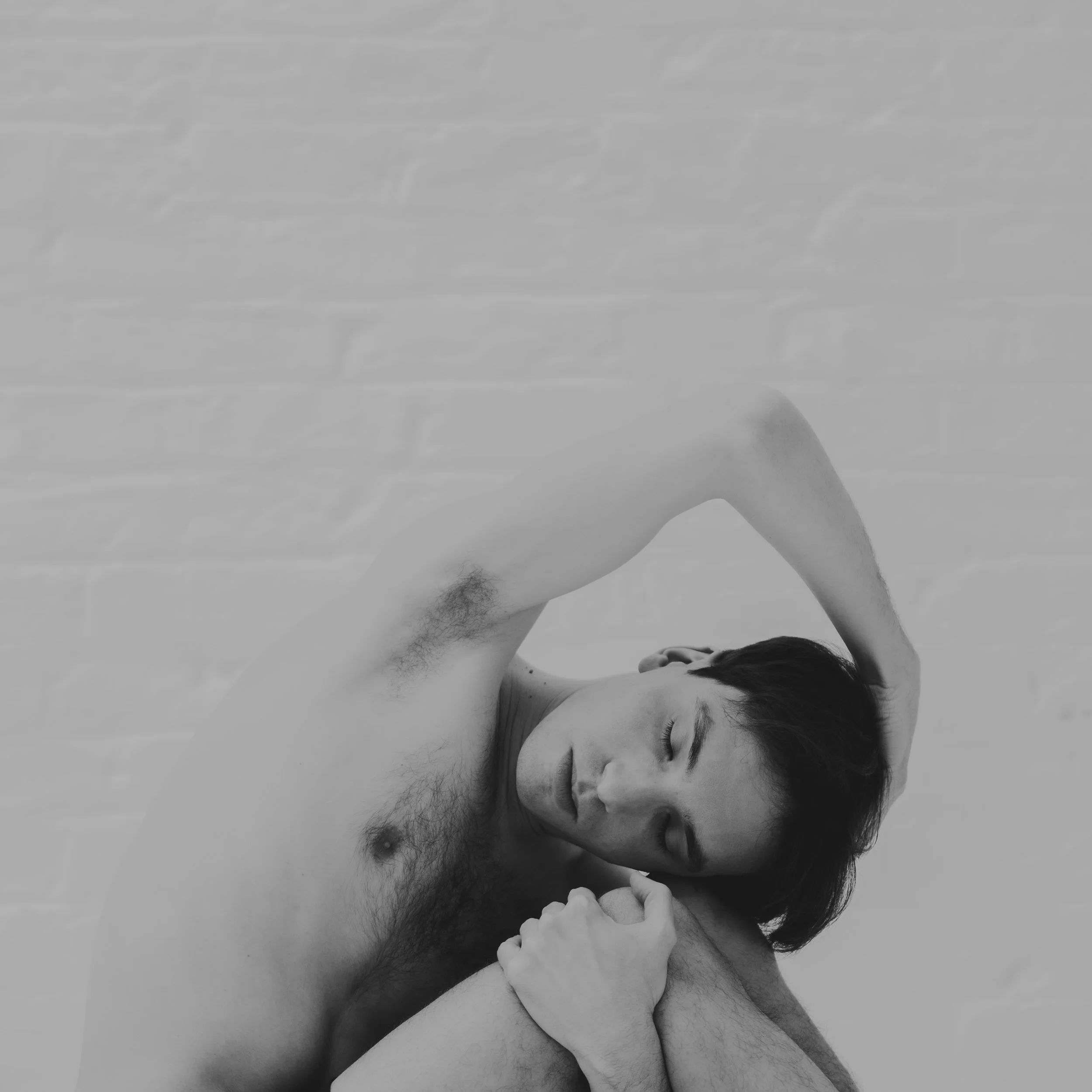
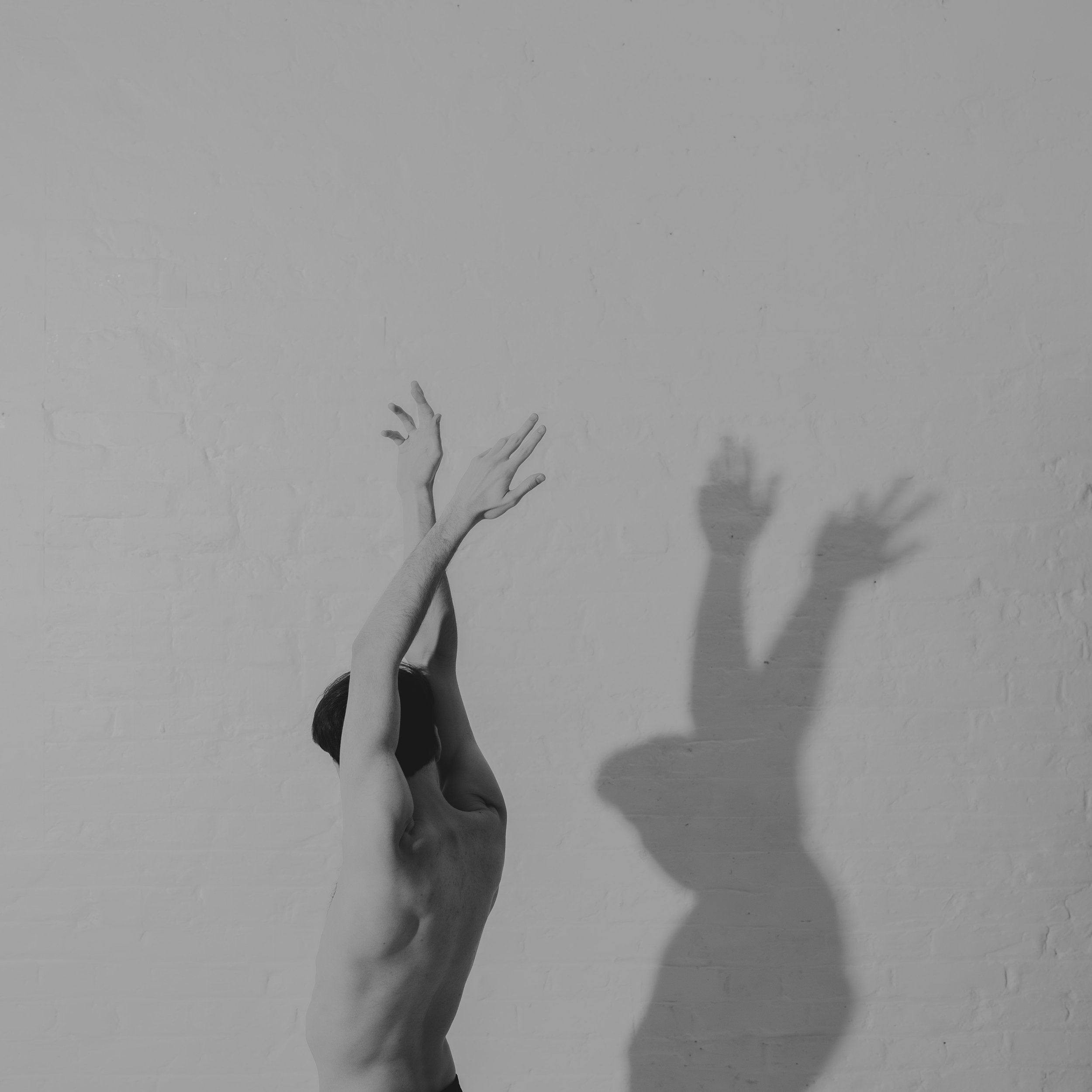
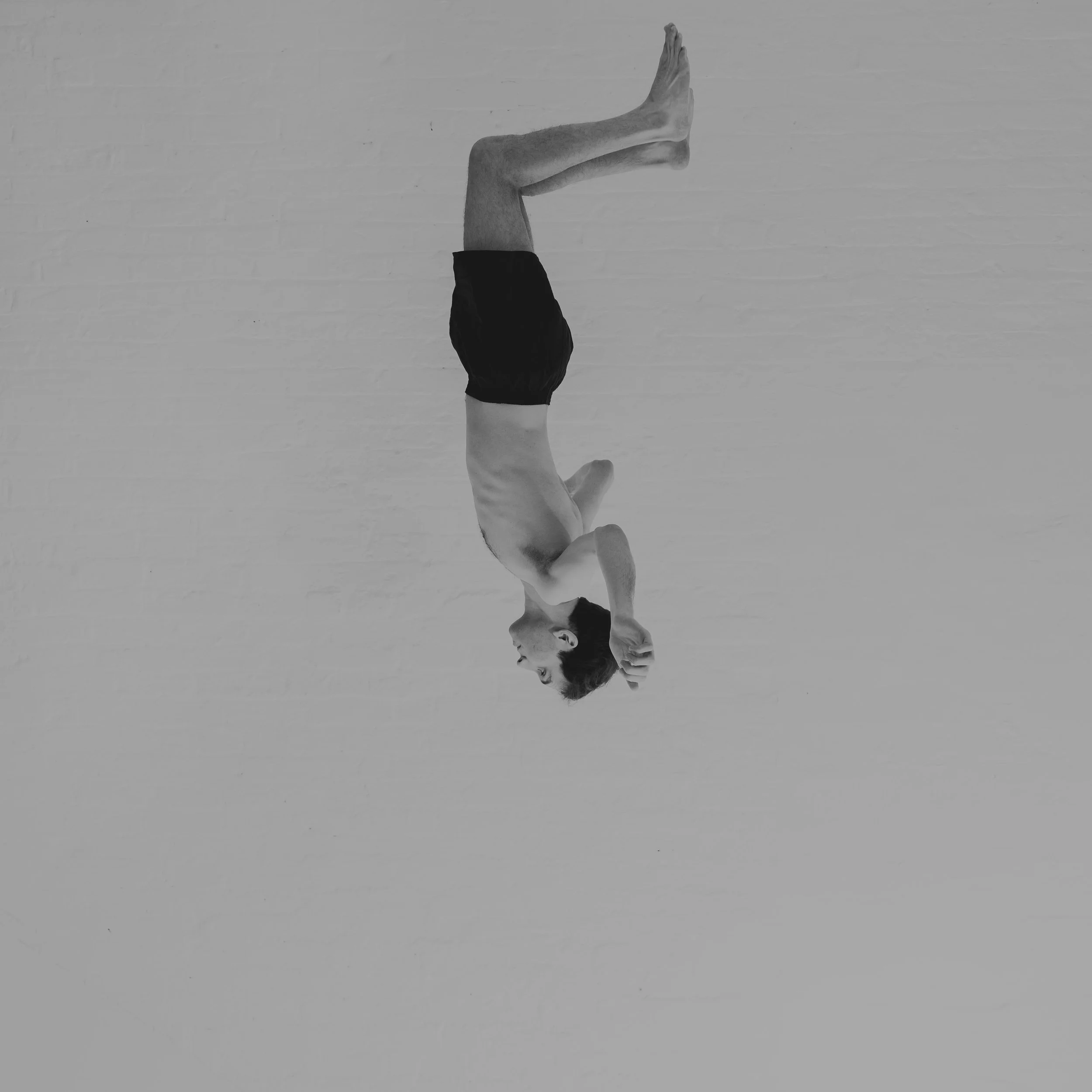
GOLDBERG grew from a collaboration between photographer Matthew Johnson and pianist Jonathan Ferrucci, resulting in an audio-visual album pairing each of Bach’s Goldberg Variations with a photograph that seeks to capture its essence through shape and movement.
As each variation finds a visual counterpart, a dialogue between sound and image emerges. Shaped by an intuitive responses to the music, the images translate these feelings into form - sometimes reflecting an overarching emotion, at other times a structural element or the nuance of a single phrase.
Together, these visual responses act as stepping stones, offering fresh ways into Bach’s monumental work. They do not define the music or prescribe the listener’s experience, but capture moments of resonance, glimpses of how one art form might illuminate another.
The project was launched in May 2025 at the St Pancras Clocktower and expanded in November at the Wimbledon International Music Festival.
-
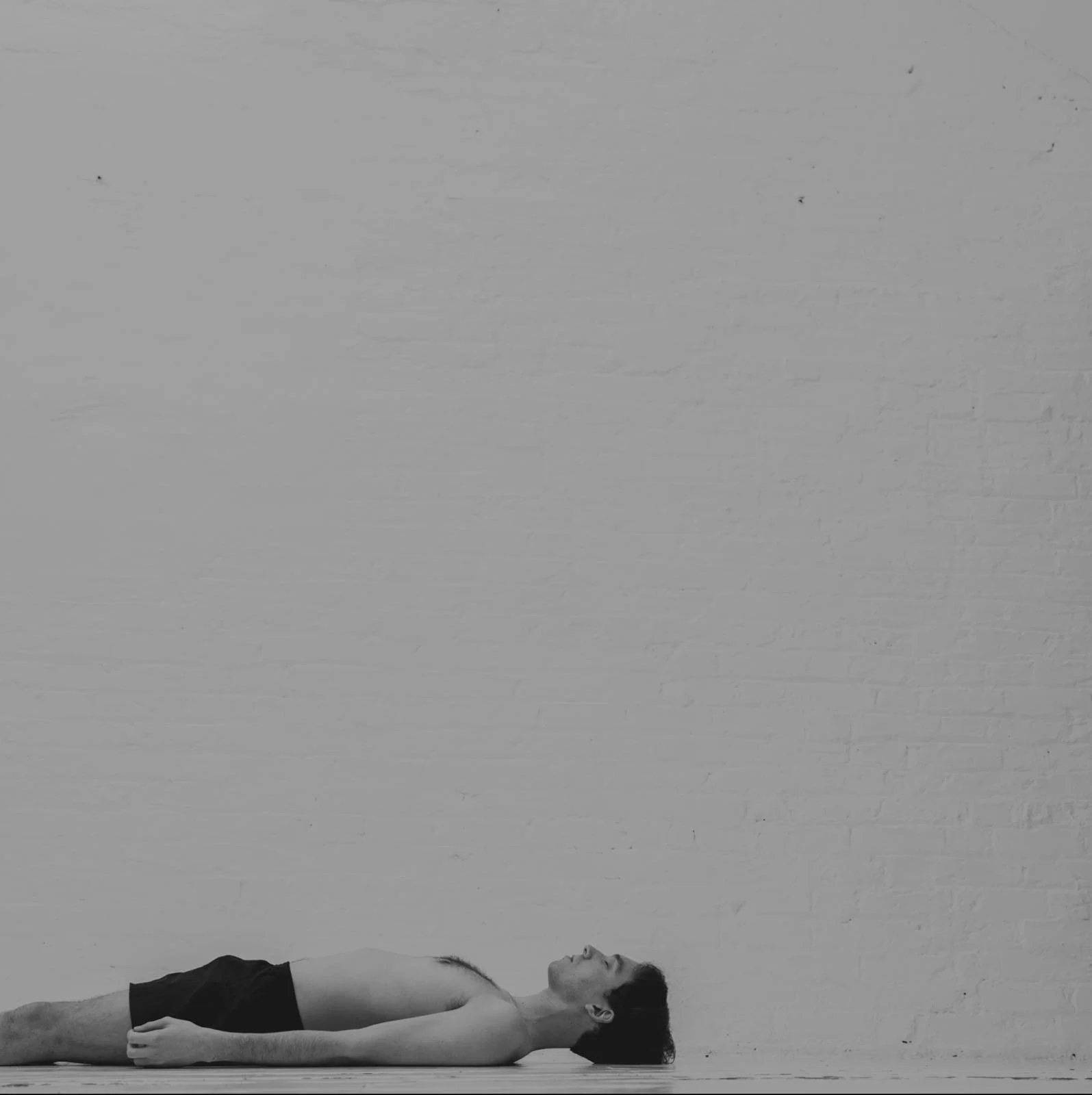
![A man lying on his back on a yoga mat, facing upward with his eyes closed, in front of a white brick wall.]()
Aria
-
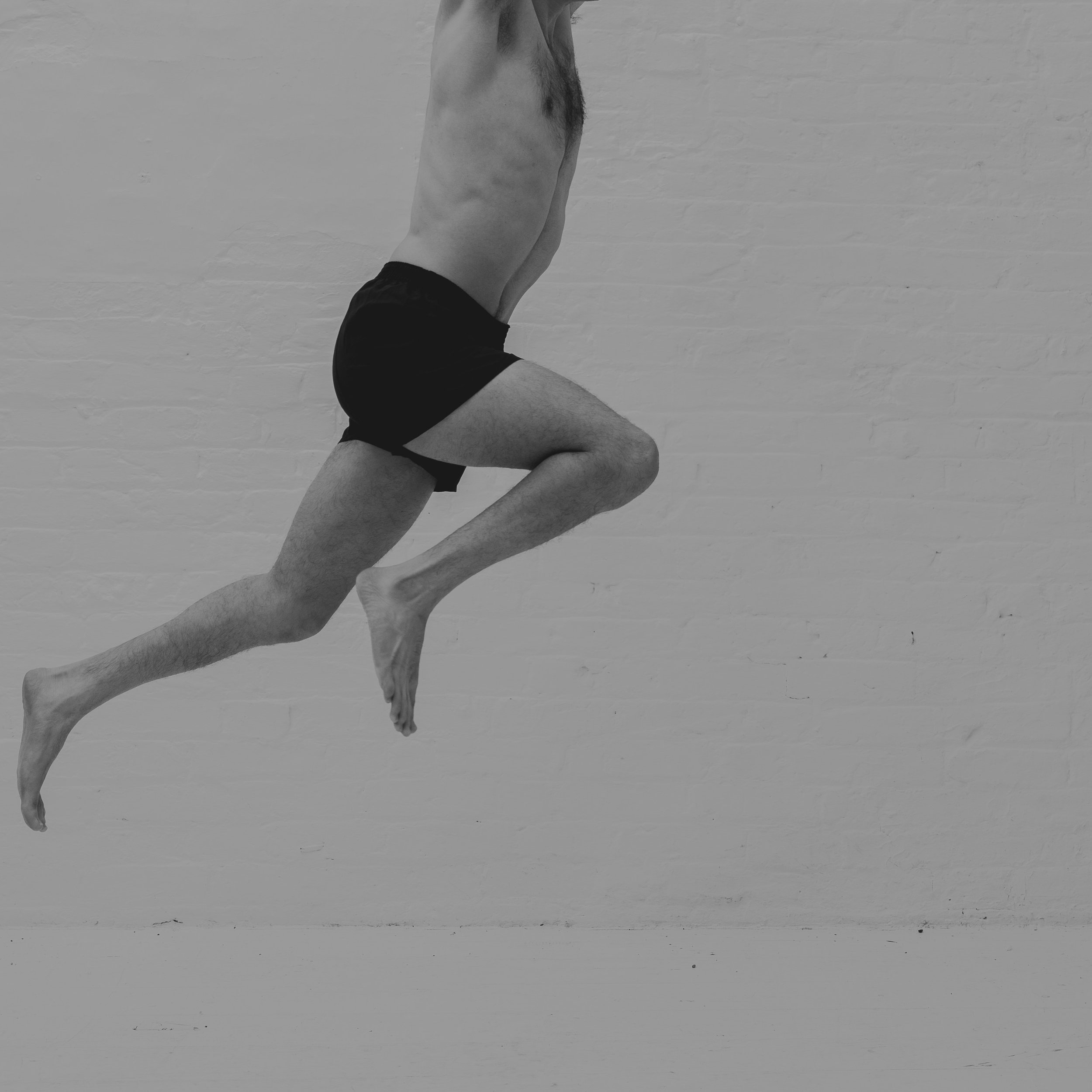
![A man is mid-air performing a jump or leap against a plain wall background, wearing black shorts.]()
Var 1
-
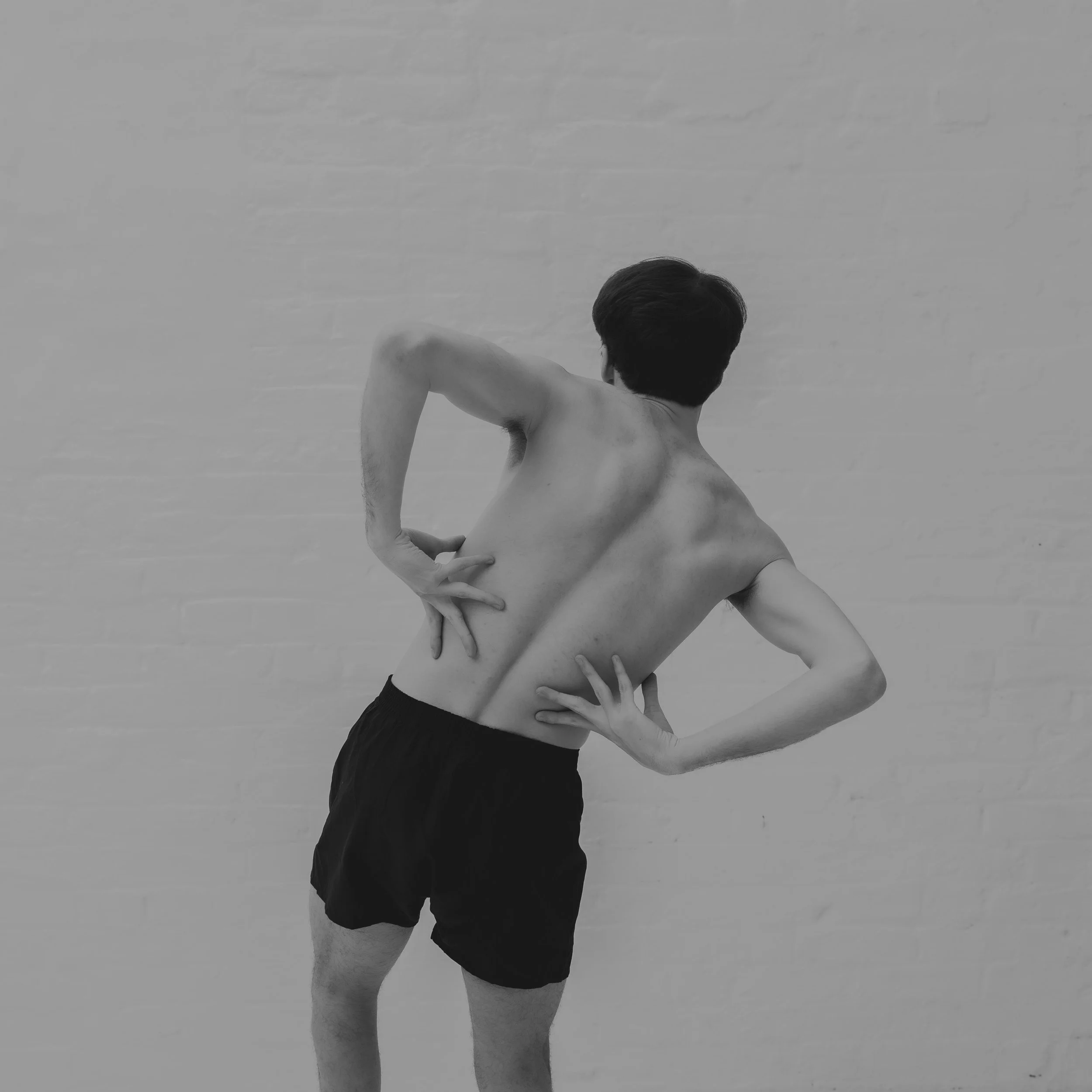
![A person with short hair, shirtless, wearing black shorts, standing with their back to the camera, with their left arm bent and hand on their waist, and their right arm bent behind their back, touching the side of their waist, against a plain white brick wall background.]()
Var 7
-
![A black and white photo of a person with hairy legs, dressed in black shorts, sitting cross-legged with arms crossed and hands holding one ankle, in a yoga pose.]()
Var 12
-
![Close-up black and white photograph of a human eye, showing detailed iris, eyelashes, and eyebrow.]()
Var 13
-
![A man performing a yoga pose on the floor against a plain wall.]()
Var 18
-
![A young man with dark hair lying on a white floor with a brick wall background, resting his head on his arm and looking down with eyes closed.]()
Var 19
-
![A person with short hair standing against a plain wall, raising their arms above their head, creating a shadow on the wall that looks like another pair of hands.]()
Var 28
-
![A person performing a handstand or gymnastic move against a brick wall, dressed in black shorts and no shirt.]()
Var 29
The English Suites - Bach’s Rave
When I play Bach’s English Suites, I find myself split in two. One part of me walks down a long, sacred path — a pilgrimage of deep introspection and study — with Bach as my companion and these masterpieces as the temples we visit along the way. I felt the same while working on the Goldberg Variations and the seven keyboard Toccatas. There’s something special about immersing yourself in an entire cycle: when you spend days, months, even years walking that path, the pieces become mantras in a spiritual practice.
The other part of me is having the time of his life at the “English Suites Rave”. One dance hit after another, these pieces offer a window into Bach’s joy — an unmistakable blend of infectious rhythm, daring harmony, and flawless counterpoint that makes your body want to move, be free, and ride the beat.
Perhaps, beyond this dualism, there’s a space where both sides coexist and the music truly comes alive. That’s what I’m searching for. So, see you on the sacred dance floor.
The Toccatas - Bach’s Playground
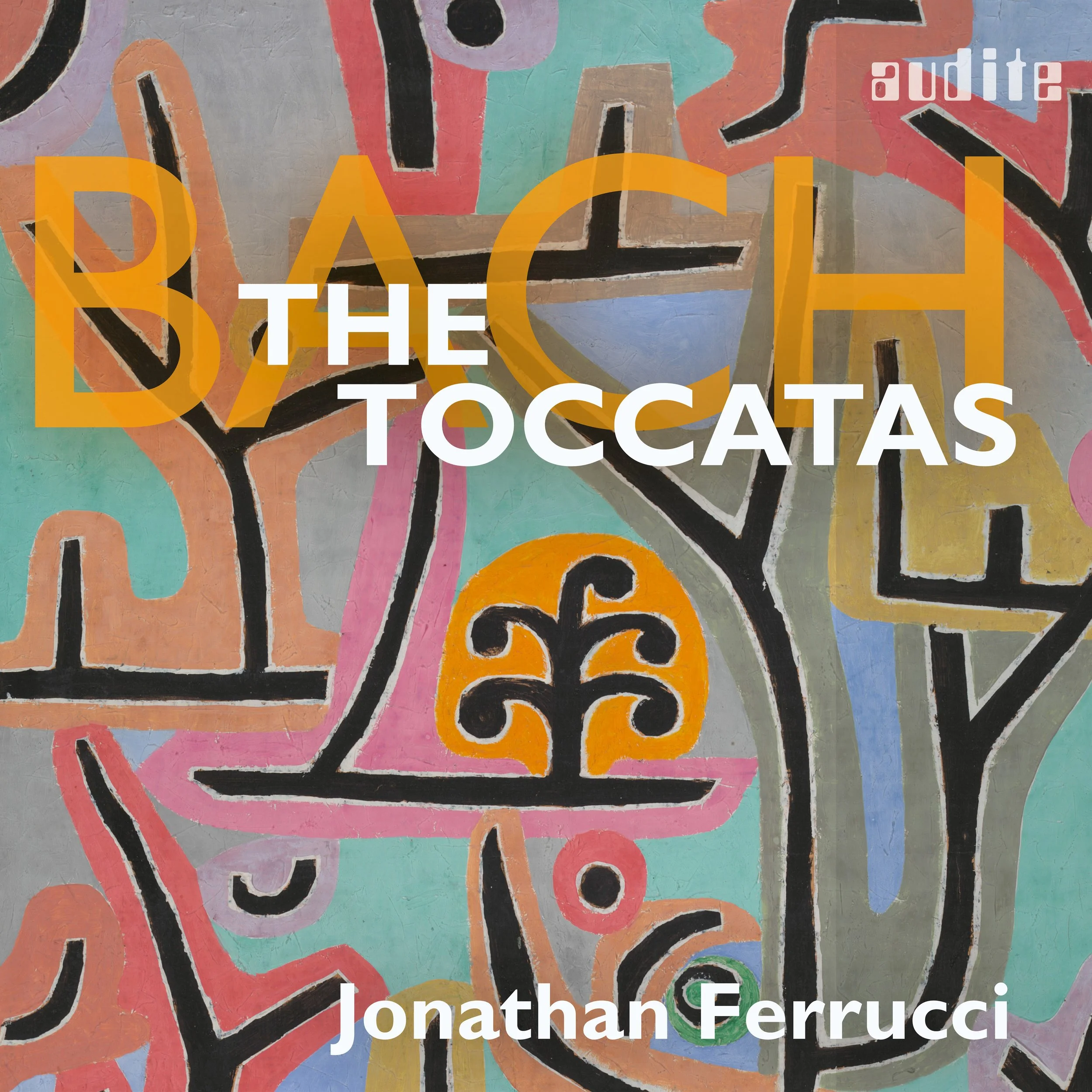
Even their genesis seems mysterious: there are no surviving manuscripts of Johann Sebastian Bach's keyboard toccatas. Scholars assume, however, that they were written during Bach's time in Arnstadt and his early Weimar period, as he gradually made a name for himself as a renowned organist. And it comes as no surprise that he chose the toccata as his musical playground: ever since the Roman composer Girolamo Frescobaldi, the toccata served as a kind of musical laboratory in which anything could be tried out with impunity. There are glitteringly virtuoso improvisations alongside strict but extremely energetic fugues, expressive arias as well as lively, folksy dances: Bach compiled entertaining suites and potpourris with much freedom, but always allowing them to breathe within great dramatic arcs.
I am convinced that the toccatas rank among Bach's most interesting keyboard works. He is bubbling over with ideas and always creates abrupt contrasts when you least expect them. There is this wild, youthful energy with which he explores all the affects and formal possibilities of the music of the time. And when I play it, I feel as though I were composing the music together with Bach in that moment - that's what creates this incredible sense of spontaneity and his delight in invention.
Yoga Workshops
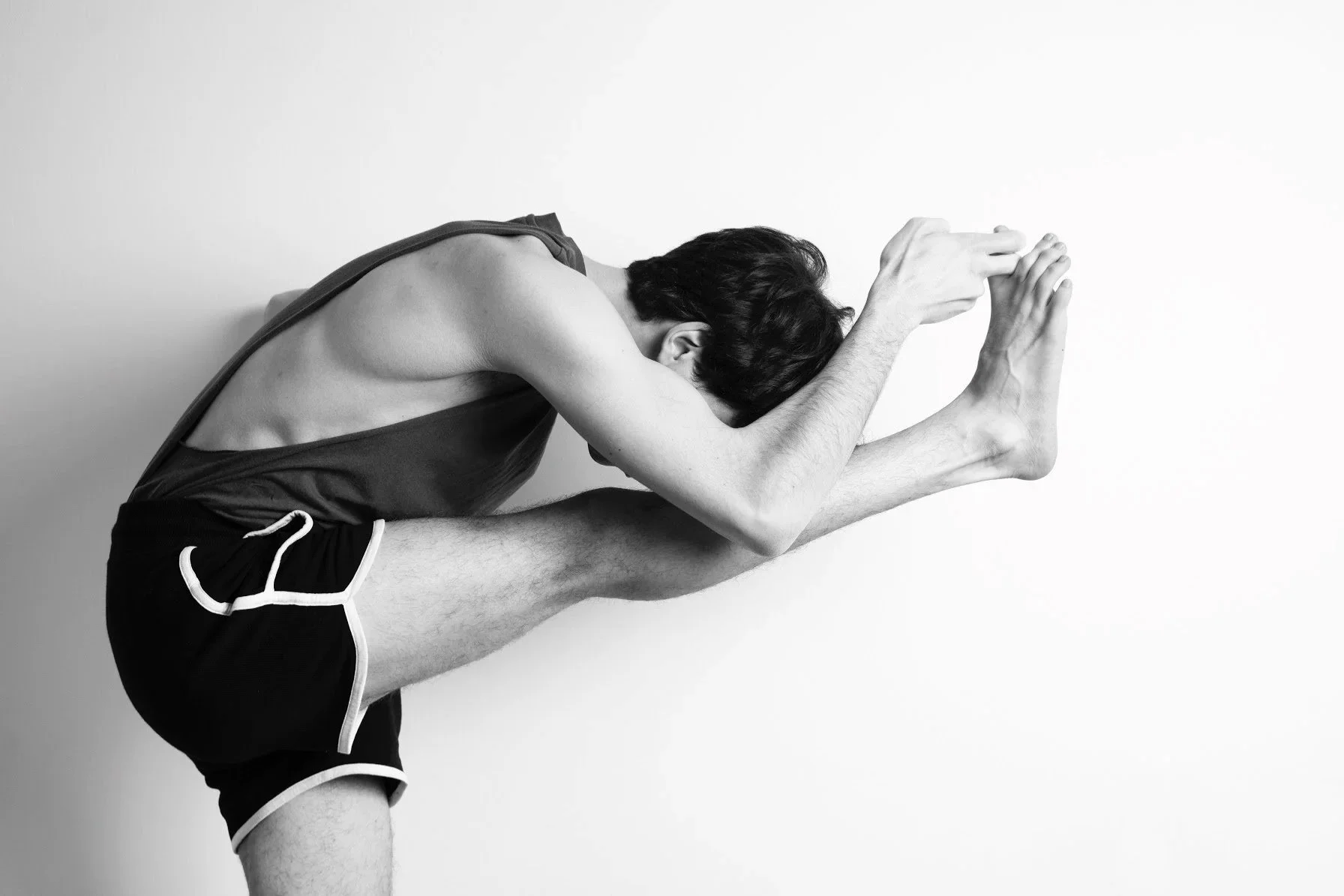
In 2025 I began developing a yoga workshop designed specifically for musicians. It started becoming increasingly common that a friend or colleague would ask for advice: “my back hurts from carrying the cello around” or “I have bad posture at the piano” or “my hips are sore and tight from sitting in the orchestra all day” or even “do you have any breathing exercises to calm down my nerves?”. Can yoga help? YES!!
The beauty about yoga is that it explores all the dimensions of our wellbeing at the same time: the physical body, the mind, and the bridge between the two - the breath. My aim with this workshop is to give people some simple tools so that musicians can establish the foundations for a sustainable yoga practice that will support their lifestyle as performing artists. The workshop has three parts:
A presentation: a brief introduction to yoga, and how it can support us, drawing from personal experience as a musician and as a yoga practitioner and teacher. Here I discuss: some basic postural patterns and how to address them through yoga. The mind-body connection, and how the breath is a bridge between the two. Simple techniques to regulate the nervous system. The benefits of a regular yoga practice.
A short led yoga practice. This is always made to be accessible to all levels.
Q & A and discussion: perhaps the most important part. I am hoping to start a conversation, hear what the participants have to say and address specific issues that might come up.
This workshop is a practical presentation of how easily yoga can become integrated into our lives as a grounding, strengthening and healing daily practice. By taking participants through a guided practice, they will leave with an empirical, felt experience, of yoga.